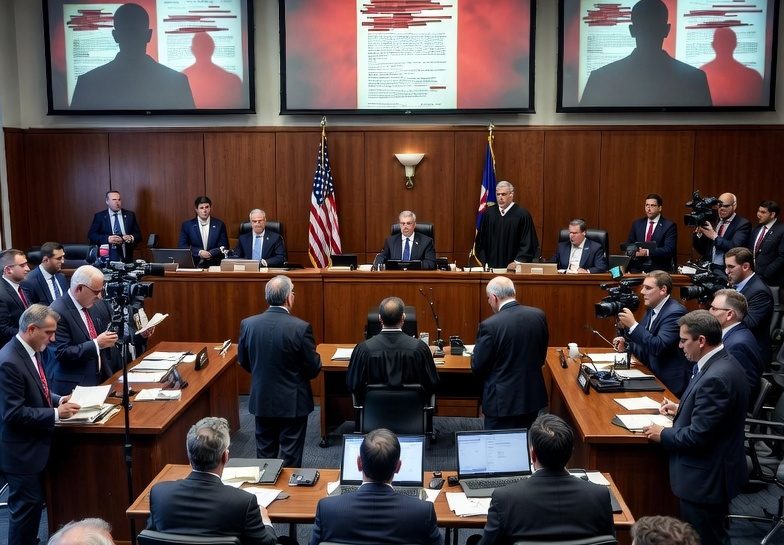
The history of Epstein Files according to Grok! Fact check it as this could be fiction!

Overview of the Epstein FilesThe “Epstein files” refer to a vast collection of documents, including court records, FBI investigative materials, flight logs, emails, witness statements, financial records, and other evidence amassed during federal probes into Jeffrey Epstein’s sex trafficking and abuse of underage girls. These files span investigations from the early 2000s through Epstein’s 2019 death and beyond, involving his associate Ghislaine Maxwell and high-profile connections. While some documents have been public for years through civil lawsuits and leaks, full government releases have been piecemeal, fueling speculation about cover-ups and elite involvement. No official “client list” or blackmail ledger has been confirmed to exist.History of the Epstein Files ReleasesThe releases have unfolded over two decades, marked by investigative lapses, sealed court documents, and recent political pushes for transparency. Below is a chronological timeline of key events, focusing on investigations, legal proceedings, and document disclosures.
| Date | Event | Key Details |
|---|---|---|
| March 2005 | Palm Beach police launch initial investigation | Report of Epstein abusing a 14-year-old girl; leads to broader probe identifying over 30 victims. FBI opens “Operation Leap Year” in May 2006. |
| September 2007 | Non-Prosecution Agreement (NPA) signed | Secret deal with U.S. Attorney’s Office (Southern District of Florida) grants Epstein and unnamed co-conspirators immunity; criticized for violating victims’ rights under the Crime Victims’ Rights Act (CVRA). |
| June 2008 | Epstein’s state plea deal | Pleads guilty to Florida prostitution charges; serves 13 months with work release. NPA terms hidden from victims and judge. |
| November 2018 | Miami Herald exposé published | “Perversion of Justice” series by Julie K. Brown exposes the NPA; prompts federal re-investigation in Southern District of New York (SDNY). |
| July 6, 2019 | Epstein arrested on federal charges | SDNY indicts on sex trafficking; raid yields evidence of ongoing abuse. |
| August 10, 2019 | Epstein dies in custody | Ruled suicide; halts trial but fuels conspiracy theories. |
| December 29, 2021 | Maxwell convicted | Guilty on sex trafficking charges; sentenced to 20 years. |
| November 2020 | DOJ Office of Professional Responsibility (OPR) report released | Criticizes 2008 plea deal but accused of being a “whitewash”; details FBI/DOJ failures. |
| January 3, 2024 | First major court unsealing | Over 900 pages from 2015 Giuffre v. Maxwell defamation suit released, naming associates like Bill Clinton and Prince Andrew (no wrongdoing alleged for most). |
| June 2024 | Trump campaign promise | Then-candidate Trump vows to declassify Epstein files if re-elected. |
| February 21, 2025 | AG Bondi references “client list” | Attorney General Pamela Bondi states the list is “on my desk,” amid Trump administration transparency pledges. |
| February 27, 2025 | First phase of DOJ declassification | ~200 pages released, including redacted flight logs, contact book, and masseuse list from U.S. v. Maxwell; covers abuse of 250+ girls. FBI tasked with delivering more by February 28. |
| May 2025 | Internal briefing on Trump mentions | Bondi informs President Trump his name appears in unreleased files (he denies knowledge of Epstein’s crimes). |
| July 7, 2025 | DOJ memo halts further releases | Declares no client list, confirms Epstein suicide, and states no additional disclosures; sparks bipartisan outcry over potential cover-up. |
| September 8, 2025 | Epstein estate releases birthday book | Includes messages and a drawing seemingly from Trump for Epstein’s 50th birthday. |
| November 12, 2025 | Estate releases 23,000 pages | Includes emails suggesting Trump knew of Epstein’s activities (denied by Trump); intensifies calls for full disclosure. |
| November 18, 2025 | House passes Epstein Files Transparency Act | 427-1 vote; Senate concurs unanimously. |
| November 19, 2025 | Trump signs the Act | Mandates release of all unclassified files in searchable format, despite initial resistance. |
| December 9, 2025 | Judge approves Epstein grand jury docs | Florida court unseals 2006 materials without victim input. |
| December 10, 2025 | Judge approves Maxwell grand jury docs | Similar unsealing for her case. |
This timeline draws from federal records, court dockets, and journalistic accounts, highlighting repeated delays due to secrecy clauses, victim privacy concerns, and political influences. Why Time Is So Critical With the current date of December 11, 2025—just eight days before the December 19 deadline—the urgency surrounding the Epstein files release stems from a confluence of legal, political, and societal factors. The Epstein Files Transparency Act requires the DOJ to disclose approximately 300 gigabytes of materials (including FBI notes, financial records, witness interviews, and global probe details) to Congress and the public in a searchable format, with limited exceptions for victim privacy, national security, or active investigations. Failure to meet this could trigger lawsuits, further eroding trust in institutions already criticized for the 2007 NPA and post-2019 lapses. Politically, the release has become a flashpoint: Trump’s signing followed months of pressure after he reneged on his 2024 campaign promise, amid revelations tying him (and others like Clinton) to Epstein socially—though no criminal wrongdoing is alleged for most. A new DOJ probe into associates, ordered by AG Bondi at Trump’s urging, could justify withholdings, potentially stalling transparency. Bipartisan demands, from House Democrats’ letters to MAGA supporters, underscore fears of a pre-Christmas “dump” or redaction-heavy version protecting elites. For survivors and advocates, time is critical to pursue justice before statutes of limitations expire (many already have) or witnesses pass away, enabling civil suits or referrals for prosecution. The files could expose Epstein’s wealth sources, money laundering halted in 2008, and institutional failures, but redactions (e.g., for third parties) risk perpetuating conspiracy theories. As one analysis notes, this moment represents a “breakdown in information barriers,” but incomplete disclosure could prolong debates over accountability in high-profile sex trafficking cases. Overall, the ticking clock amplifies stakes for public reckoning, with potential social ostracism or charges for the implicated looming if unredacted details emerge.
Leave a Reply